
An emergency stop activates. The search begins.
- The exact stop point is unclear
- Teams rely on calls, radio messages or a physical search
- Response ownership and timings are difficult to prove
- Incident knowledge is scattered or lost
Safety Intelligence Platform
Patent PendingGB2514612.7
CSS adds a read-only monitoring layer to existing emergency stops, then turns every activation into a located, owned and traceable incident.
Independent · Family-run · Lancashire-based
Monitoring layer, not the safety function. CSS does not control, reset or replace the emergency-stop safety system.
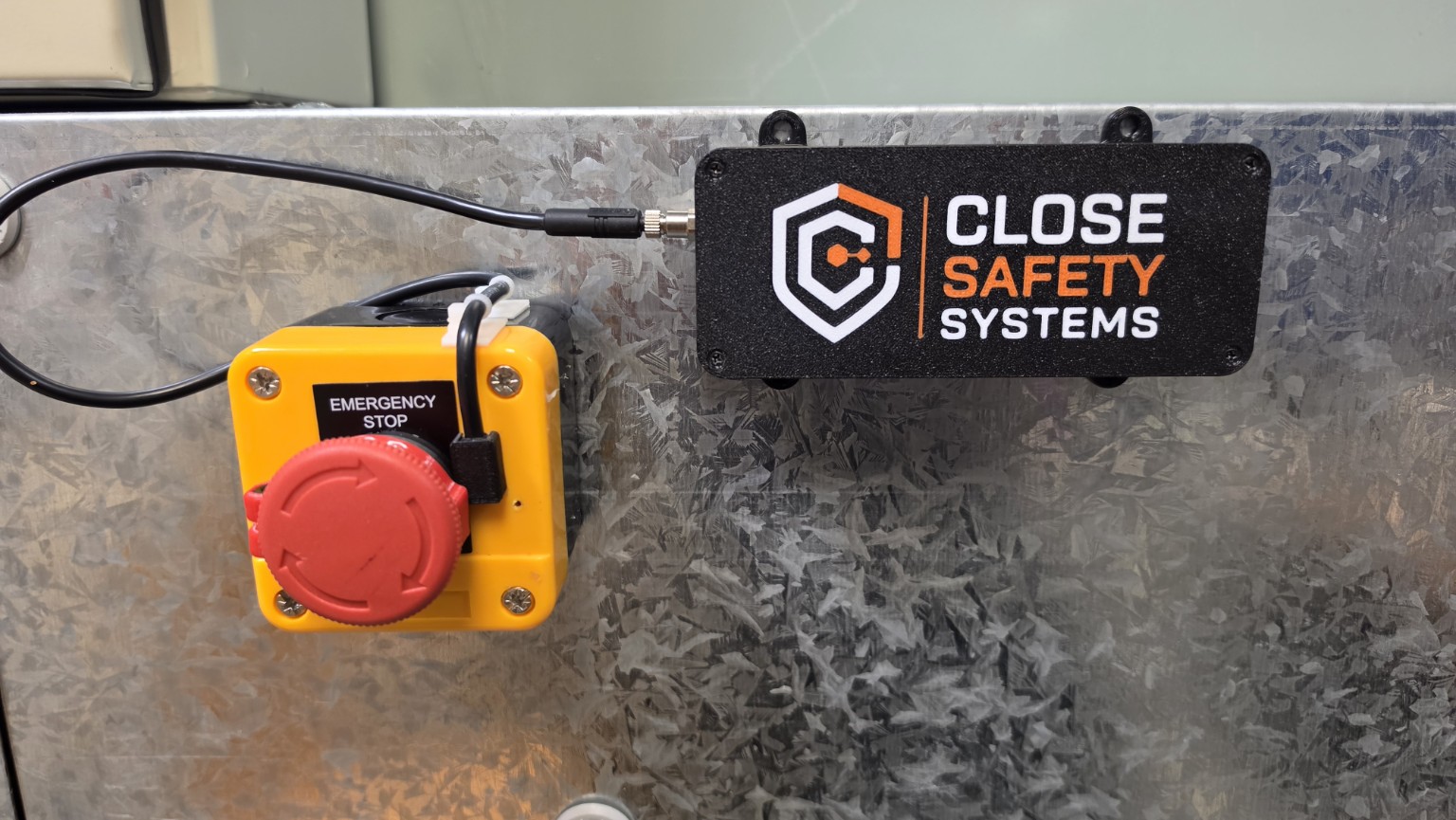
The operational difference
CSS removes the location gap that slows the first minutes of an emergency-stop response.
One connected workflow
A clear path from physical activation to operational intelligence—while the existing safety circuit remains untouched.
Simple by design
The sensor observes activation. The field unit carries the event securely into the CSS platform. The existing emergency-stop circuit continues to perform its safety function independently.
The emergency stop continues to operate through the existing safety circuit. CSS sits outside that protective function and does not alter its control logic.
Real product workflow
The CSS dashboard gives teams a live operational view while the Android app carries the incident, response history and supporting evidence into the field.
CSS interface shown with demonstration data. Personal identifiers have been obscured. Factory evidence photographs are illustrative.
Safety Intelligence Platform
Locate the event. Mobilise the response. Measure the impact. Keep the evidence. Close the follow-up work.
Explore the platformWhat CSS helps you measure
Build an evidence-based picture of what happens after an activation—so decisions are based on recorded events rather than recollection.
How quickly an incident is acknowledged and claimed
How long the activation affects the operation
The financial impact of recorded downtime
Which assets or areas activate most often
What is open, overdue or awaiting verification
CSS is designed to reduce avoidable response delays. Measured pilot data will be used to establish and evidence customer-specific improvement.
Reports that make the case
CSS brings response performance, physical downtime, estimated cost and corrective-action governance into clear reports for safety review, audit support and investment decisions.
CSS reports shown with demonstration data. Personal identifiers have been obscured. Financial values are operational estimates, not accounting entries or realised losses.
Assisted intelligence, human control
CSS is developing carefully bounded AI capabilities around the platform. The assistant supports people; it does not operate machinery, change the safety state or make autonomous safety decisions.
You Why is INC-0014 still open?
CSS Assistant It is awaiting independent verification of the corrective action.
Read-only guidance, incident summaries and diagnostic explanations help users understand what they are seeing and find the right workflow more quickly.
The planned analytics layer is intended to highlight recurring activations, costly areas, response trends and follow-up priorities for human review.
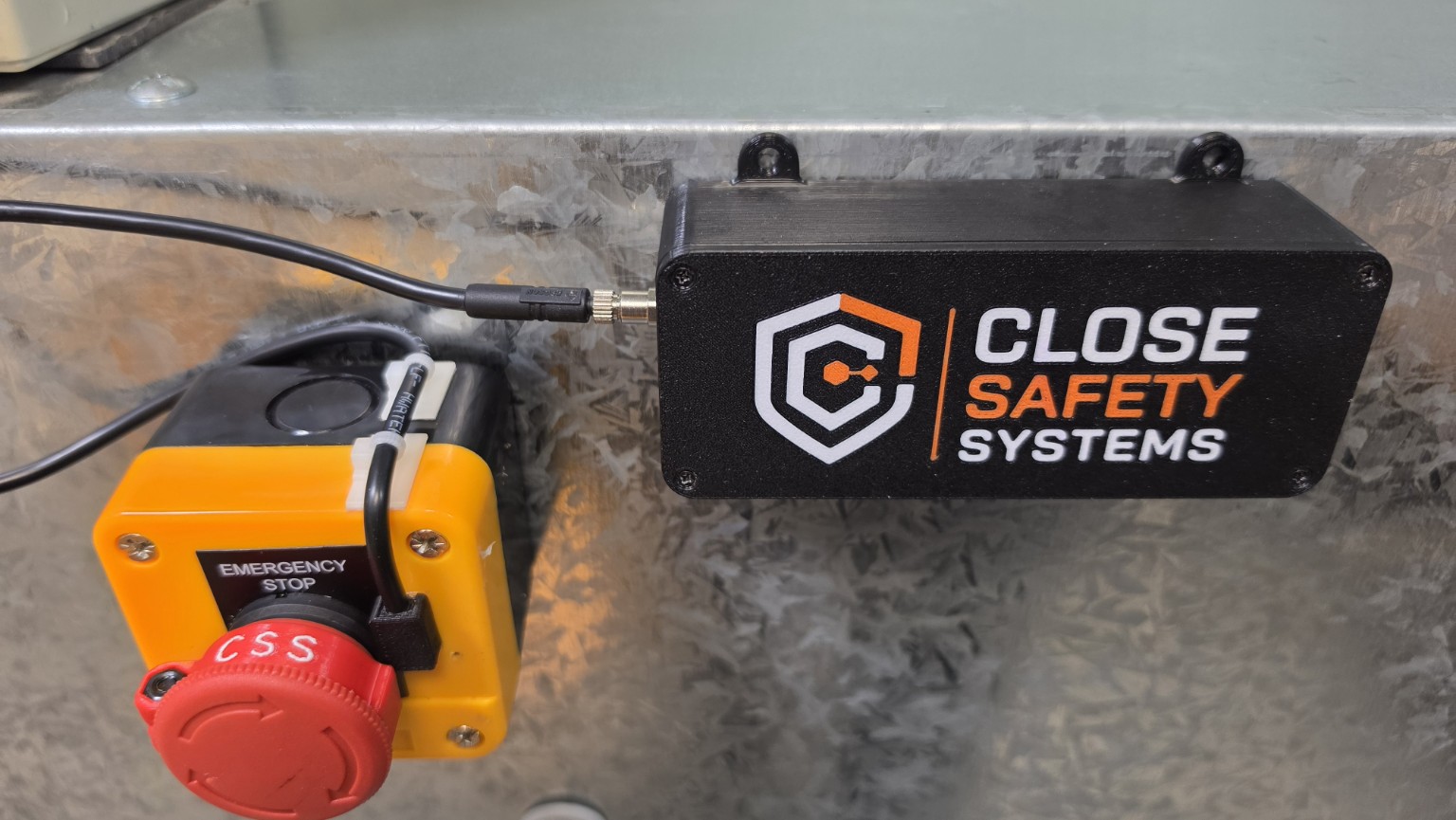 Engineering hardware shown · Production appearance may change
Real-world validation
CSS has functioning hardware, firmware, dashboard and mobile-app workflows. The next stage is controlled pilot deployment, repeatable small-batch preparation and measured feedback in real operating environments.
Why Close Safety Systems
CSS is an independent, family-run Lancashire business. We are building the hardware and software as one traceable system, with a clear boundary between operational monitoring and the existing safety function.
See the product featuresDesigned around existing assets and real installation constraints.
From a physical activation to response, evidence and follow-up action.
Direct conversations, controlled pilots and measured claims.
Not simply an alert: a structured record of what happened next.
Close Safety Systems